
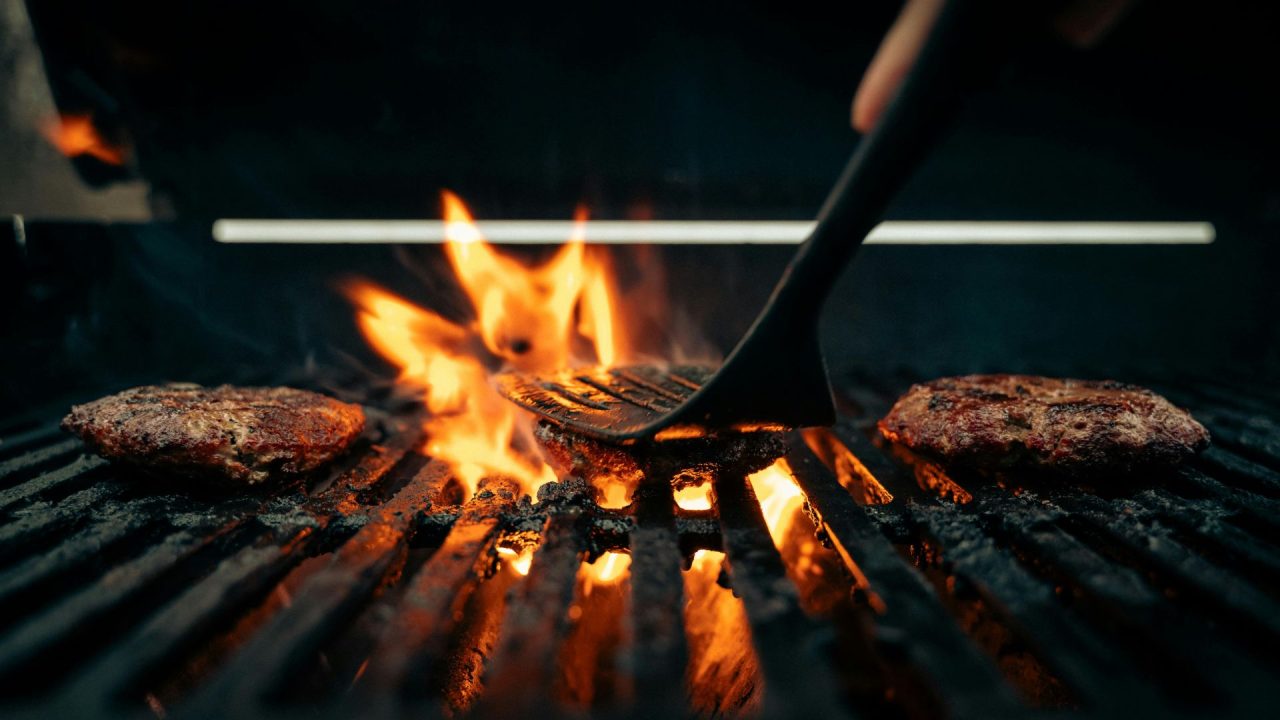
Every garden chef knows the feeling: you're standing at the grill while the party is happening a few metres away. Cooking outdoors is meant to be enjoyed, not spent running between meat, guests and drinks. With the right preparation, technique and tools, you can cook and have a good time at the same time. Below you'll read how to go about it.
How can you cook outdoors without having to stay at the grill all the time?
Most men stay at the grill to keep an eye on things. With this approach, that's not necessary. Always use three zones: a hot zone (above the coals), an indirect zone (without coals) and a resting zone (a worktop or corner where the food can rest for a moment). That way you can move meat around instead of constantly turning it. Also set everything up mise en place: a metal tray with oil, a chopping board that doesn't slide, and tongs that are always in the same spot. If your grill has a stable temperature and your work area is well organised, you don't need to hang around.
Preparation for relaxed cooking during the party
Preparation isn't about what you make ready, but about what you rule out. Anything you still have to cut, mix or look for outside slows the process down.
Work in three phases:
- Indoors: marinade, sauces and chopped ingredients.
- Before you start: light the grill, set up the zones, lay out the tools.
- During: just assemble and grill.
Use sealable containers for ingredients that go on the grill in stages. That way you keep track and your worktop stays clean and usable.
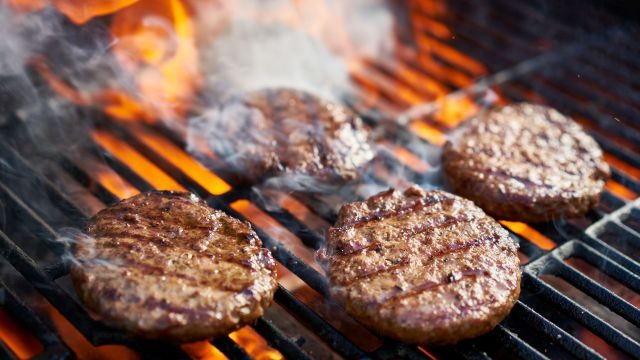
Which cooking techniques mean you don't have to keep turning or adjusting?
Avoid anything that's "reactive cooking". Choose one of the following techniques:
- Indirect cooking: the meat sits next to the heat source, not above it. No burning, just even cooking.
- Reverse sear: first cook slowly at a low temperature, then sear briefly.
- Two-zone cooking: Fire on one side, air on the other.
Less oxygen = slower combustion = a calmer fire. Close the air vent halfway and let the grill grate do its work.
Tips for keeping food warm while you chat with guests
A good outdoor kitchen always has a "holding zone". Use a cast-iron pan or a brick under the grate to buffer the heat. That way you can keep dishes warm without them carrying on cooking. A cool box also works brilliantly: meat in foil, cool box closed – it stays warm for up to an hour.
Want to do it like a pro? Use the indirect zone with the lid closed. That keeps the temperature at around 80–100°C: warm enough to serve, safe enough to wait.
Plan the order of your dishes
An outdoor kitchen is about timing, not speed. Always start with the dish that needs the longest cooking time and build up to the quick dishes.
A smart order is:
- Low & slow meat (pulled pork, pork shoulder).
- Quick grillers (burgers, sausages, chicken breast).
- Vegetables, bread and side dishes.
That way you can slow the pace down after the first phase. The slow-cooked dish keeps itself warm.
The difference between direct and indirect grilling
Direct grilling means your food sits directly above the heat source. The coals or burner are right under the grate, giving you an intense, dry heat. This is ideal for dishes that cook quickly and need a crust: burgers, steaks, satay or vegetables.
Temperature: 250–300°C
Time: 1–3 minutes per side
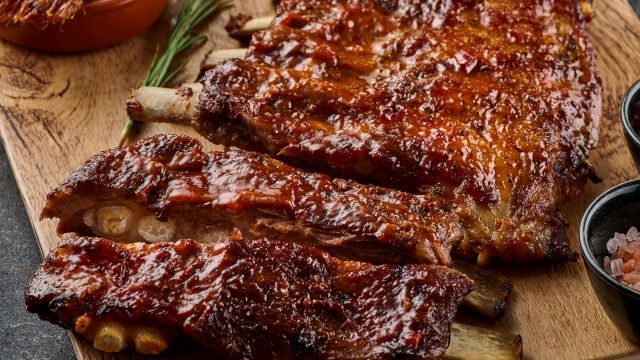
Indirect grilling works differently. You put the coals on just one side of the barbecue and the food on the other side, so not above the fire. The heat circulates under the lid like in an oven. This cooks the meat slowly and evenly, without burning it. Perfect for chicken, spare ribs or large cuts of meat.
Temperature: 120–180°C
Time: 20–90 minutes, depending on the dish.
The best approach? Combine both techniques. First grill briefly over direct heat for the crust and flavour, then move it to the indirect zone to finish cooking gently. That way you get tender meat with a perfect outside without having to stand over it.
A thermometer or sensor so you don't have to keep checking
Use measuring equipment like a chef: not to second-guess yourself, but to confirm. A dual-sensor thermometer measures both the core temperature and the grill temperature. That way you can see straight away whether the fire is dropping or rising.
Make sure you know the core temperature of every dish. For example:
- Chicken: 72°C
- Pork tenderloin: 62°C
- Entrecôte: 54°C
Set your thermometer to beep at 1 degree below the desired temperature. That way you can carry on chatting while the technology keeps watch.
How do you divide the tasks when guests want to help?
The biggest mistake when cooking outdoors is that everyone wants to do something at once – exactly when you're trying to keep an eye on the temperature. The trick isn't to refuse help, but to assign clear roles.
Create three zones in your outdoor kitchen:
- Hot zone – you only. This is where the grilling and carving happens.
- Service line – here someone can hand out plates, slice meat or put out bread.
- Side zone – for drinks, salads or side dishes.
That way you stay in charge, and others stay involved without getting in the way.